

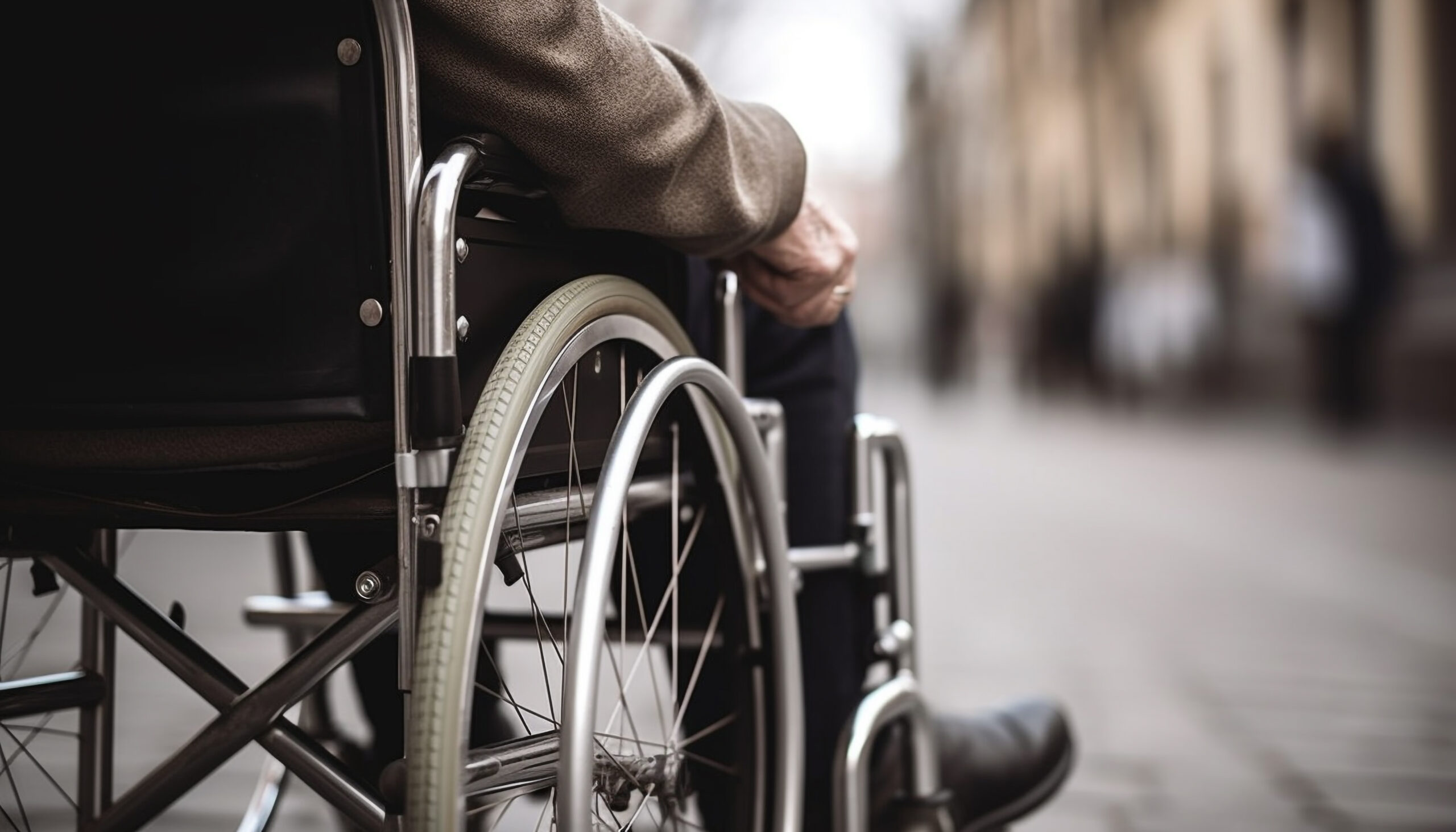
Paralysis is a complex neurological condition that results in partial or complete loss of muscle movement, significantly affecting a person’s independence and quality of life. Effective paralysis treatment requires a structured medical approach that focuses on nerve regeneration, muscle strengthening, and long-term rehabilitation rather than temporary symptom relief. At Greenwich Ayurveda Hospital, paralysis treatment is carefully designed to address the root causes of nerve damage, improve blood circulation, restore motor coordination, and support mental well-being through personalized Ayurvedic care. With early intervention, continuous medical supervision, and holistic therapies, paralysis treatment can help patients regain functional mobility, reduce complications, and achieve sustainable neurological recovery.
AYURVEDIC PERSPECTIVE ON PARALYSIS
In Ayurveda, paralysis is described as Pakshaghata, a condition arising from severe imbalance of Vata dosha, which controls nerve impulses, circulation, and movement. Paralysis treatment in Ayurveda aims to stabilize aggravated Vata, remove obstructions in nerve pathways, and nourish weakened muscles. At Greenwich Ayurveda Hospital, each paralysis treatment plan is developed after a detailed clinical assessment to ensure targeted and safe neurological recovery.
SPECIALIZED TREATMENT AT GREENWICH AYURVEDA HOSPITAL
Greenwich Ayurveda Hospital offers specialized paralysis treatment programs under the guidance of experienced Ayurvedic physicians. Treatment protocols are individualized based on the cause, duration, and severity of paralysis. The primary goal of treatment is to reduce muscle stiffness, improve nerve conductivity, and restore functional movement through natural and evidence-based Ayurvedic practices.
ADVANCED AYURVEDIC THERAPIES
Paralysis treatment at Greenwich Ayurveda Hospital includes traditional Ayurvedic therapies designed to support nerve regeneration and muscular rehabilitation. Medicated oil therapies, controlled heat applications, Shirodhara, and Nasya are administered to enhance circulation, relax rigid muscles, and improve neuromuscular coordination. These therapies are performed in a controlled clinical environment to ensure safety and consistency in recovery.
HERBAL MEDICINES AND INTERNAL CLINICAL CARE
Internal medicine plays a vital role in this treatment. At Greenwich Ayurveda Hospital, herbal formulations are prescribed after comprehensive evaluation to support nerve strength, muscle tone, and brain function. These medicines are prepared according to classical Ayurvedic standards and administered under strict medical supervision to ensure optimal results without adverse effects.
REHABILITATION, DIET, AND LIFESTYLE SUPPORT
Effective paralysis treatment extends beyond clinical therapies. Greenwich Ayurveda Hospital provides structured guidance on diet, daily routines, and rehabilitation practices. Nutritional plans focus on improving digestion and nourishing nerve tissues, while guided physiotherapy, yoga, and breathing exercises help improve balance, flexibility, and coordination. This integrated approach enhances recovery outcomes and supports long-term neurological stability.
FACILITIES AT GREENWICH AYURVEDA HOSPITAL
Greenwich Ayurveda Hospital is equipped with comprehensive facilities to support advanced paralysis treatment and rehabilitation. The hospital offers well-maintained inpatient rooms, dedicated therapy units, hygienic treatment halls, and continuous medical monitoring. With trained therapists, experienced doctors, and a patient-focused healing environment, the hospital ensures high standards of care throughout the treatment journey.
WHY CHOOSE GREENWICH AYURVEDA HOSPITAL FOR PARALYSIS TREATMENT
Choosing Greenwich Ayurveda Hospital for this treatment ensures professional care rooted in authentic Ayurvedic principles. The hospital’s structured treatment protocols, experienced medical team, advanced facilities, and personalized rehabilitation programs make it a trusted center for neurological recovery. The focus on long-term improvement and prevention of complications helps patients achieve improved mobility, independence, and quality of life.
BY: admin
Uncategorized
COMMENTS: No Comments