
There is a strange contradiction in modern Indian life. People have more convenience than ever before, yet exhaustion has become almost routine. Sleep feels lighter. Digestion weaker. Anxiety sits quietly in the background even during ordinary conversations.
And most people do not suddenly become unhealthy. It happens slowly. Office food. Screen exposure late into the night. Irregular eating. Constant stimulation. Stress that never fully leaves the body.
This is partly why interest in Panchakarma treatment in Kerala continues to grow, not just among tourists or wellness seekers, but among ordinary working people who feel physically overloaded in ways blood reports do not always explain properly.
Ayurveda has always viewed illness differently. Not merely as symptoms to suppress, but as imbalance accumulating over time. Sometimes silently.
Panchakarma sits at the center of that philosophy.
The Body Often Carries More Than We Notice
Most lifestyle disorders do not arrive dramatically. They build through repetition.
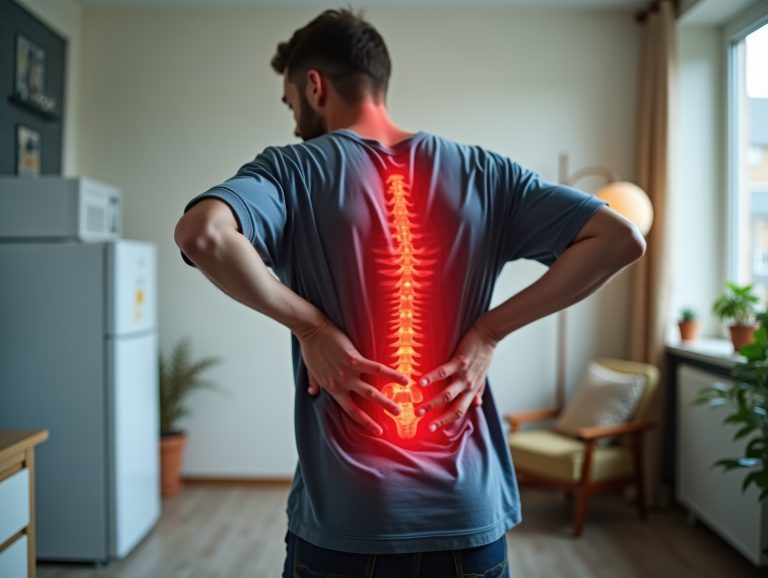
Acidity becomes chronic. Fatigue starts appearing after small tasks. Weight increases despite dieting. Skin reacts unpredictably. Sleep shortens. Mood fluctuates.
On paper, many people still appear “functional.” In practice, the body is struggling to recover.
Panchakarma is traditionally designed as a cleansing and restorative process. But describing it only as detoxification feels incomplete. The treatment also forces a temporary slowing down of habits that modern life constantly rewards — speed, stimulation, multitasking, overconsumption.
That slowing down matters more than people assume.
In many Ayurvedic traditions, disease is not seen as a sudden event but as accumulated disturbance. Panchakarma attempts to interrupt that accumulation before it deepens further.
Kerala became particularly associated with this approach because Ayurveda there evolved alongside climate, herbs, oils, and long-standing treatment traditions that remained relatively intact compared to many other regions.
Stress and Anxiety Do Not Always Stay in the Mind
One thing modern medicine increasingly acknowledges — though Ayurveda discussed it centuries ago — is that mental strain eventually becomes physical.
Stress changes appetite. It changes digestion. Sleep patterns shift. Muscles tighten. Even breathing becomes shallow without people noticing.
This is where Panchakarma treatment in Kerala is often sought for relief from stress-related conditions.
The therapies themselves vary depending on the person. Some treatments focus heavily on oil application and nervous system relaxation. Others concentrate on digestion and elimination processes. The idea is not simply to create temporary calm but to reduce the underlying overload affecting the body’s rhythms.
That sounds persuasive in theory. The actual experience can be uneven at first.
Some people feel lighter quickly. Others feel discomfort before improvement. Ayurveda practitioners themselves often admit this. The body does not always respond neatly to cleansing processes.
Still, many patients report better sleep, reduced irritability, improved concentration, and a calmer nervous system after completing properly supervised programs.
Not miracle cures. Just noticeable shifts.
Digestive Problems Have Become Almost Normalized
Perhaps too normalized.
Acidity tablets are carried casually in bags. Bloating after meals gets dismissed as ordinary. People skip breakfast for years and then wonder why energy collapses by afternoon.
Ayurveda traditionally places digestion at the center of health. Panchakarma treatments frequently begin with correcting digestive imbalance before addressing anything else.
This is one reason Panchakarma treatment in Kerala attracts people dealing with obesity, fatty liver concerns, sluggish metabolism, or chronic digestive discomfort.
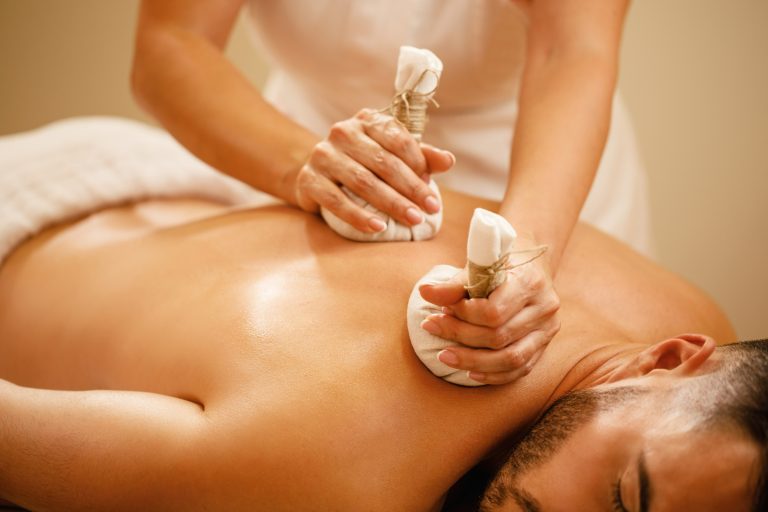
The treatments may include dietary regulation, herbal preparations, therapeutic massage, sweating therapies, and cleansing procedures tailored to the individual constitution.
There is also something psychologically useful about structured eating during treatment. Meals become simpler. Timings stabilize. The body gets a rhythm again.
Oddly enough, many people discover how exhausted they actually were only after beginning to feel rested.
Kerala’s Environment Changes the Experience
Not every Ayurvedic center offers the same quality of treatment. That should probably be said more openly.
Kerala developed a reputation partly because Ayurveda there remained integrated into daily healthcare traditions for generations. The humid climate is often considered supportive for oil therapies and body treatments. Medicinal herbs are widely available. Therapists tend to have stronger practical exposure from an early stage.
This does not mean every clinic is exceptional. Some wellness centers market relaxation more aggressively than treatment quality.
Still, the state continues to house many respected institutions offering some of the Best Ayurveda Treatments in Kerala, especially for chronic lifestyle-related conditions.
There is also a cultural familiarity with Ayurveda in Kerala that changes the atmosphere. Treatments do not feel exotic there. They feel routine. Established. Less performative.
That difference becomes surprisingly noticeable.
Panchakarma Is Not Just About Physical Cleansing
People often expect dramatic external changes first — weight loss, glowing skin, visible energy.
Sometimes those happen.
But many practitioners quietly argue that Panchakarma works more subtly than wellness marketing suggests. The treatment often affects appetite regulation, emotional steadiness, sleep depth, bowel regularity, and mental clarity before obvious external transformation appears.
And honestly, that may be more valuable.
Modern lifestyle disorders are rarely caused by one factor alone. They emerge from cumulative imbalance: food, stress, inactivity, overstimulation, emotional fatigue, irregular routines.
No single therapy completely fixes that complexity.
But Panchakarma may create a reset point. A pause. A physiological interruption.
Whether people maintain those benefits afterward is another question entirely.
Choosing the Right Ayurvedic Centre Matters
There is growing commercial interest in wellness tourism, and not all centers maintain the same treatment standards.
A genuine Best Ayurvedic centre in Kerala will usually focus less on luxury language and more on physician consultation, patient assessment, dietary supervision, and individualized treatment planning.
That distinction becomes important because Panchakarma is not meant to be identical for everyone. Ayurveda traditionally avoids one-size-fits-all treatment methods.
Some individuals may require gentler therapies. Others may not be suitable candidates during certain medical conditions or stages of illness.
Experienced supervision matters.
Probably more than the décor.
Why People Continue Returning to Panchakarma
The appeal of Panchakarma treatment in Kerala is not simply tradition or tourism. It persists because many modern health problems are chronic, repetitive, and deeply tied to lifestyle itself.
People are tired in ways quick solutions rarely address.
Panchakarma demands time, patience, dietary discipline, and temporary withdrawal from ordinary routines. In a culture obsessed with speed, that alone feels unusual.
And maybe that is part of its relevance now.
Not because Ayurveda rejects modern life entirely. That would be unrealistic. But because it asks a difficult question modern healthcare sometimes leaves unanswered:
What happens when the body never truly gets a chance to recover?
The answer, increasingly, seems visible everywhere.
FAQ
What is Panchakarma treatment in Kerala?
Panchakarma is a traditional Ayurvedic cleansing and rejuvenation therapy designed to help restore balance within the body. In Kerala, Panchakarma treatments are usually conducted under experienced Ayurvedic doctors using herbal oils, dietary regulation, massage therapies, and cleansing procedures tailored to the individual’s body constitution and health condition.
What are the main benefits of Panchakarma therapy?
Panchakarma may help improve digestion, reduce stress, support better sleep, enhance energy levels, assist with weight management, and promote mental calmness. Many people also seek Panchakarma for concerns related to chronic fatigue, anxiety, skin conditions, and other lifestyle-related health issues.
Why is Kerala famous for Panchakarma treatment?
Kerala has a long and deeply rooted Ayurvedic tradition. The state’s climate, availability of medicinal herbs, experienced practitioners, and established treatment methods have made it one of the most recognized destinations for authentic Panchakarma therapy in India.
Is Panchakarma suitable for stress and anxiety relief?
In many cases, yes. Certain Panchakarma therapies are traditionally designed to calm the nervous system and reduce physical tension associated with stress and anxiety. However, treatments are generally customized according to the individual’s condition and overall health status.
What is the best season for Panchakarma treatment in Kerala?
Many Ayurvedic practitioners consider the monsoon season especially suitable for Panchakarma because the humid climate may help the body respond better to oil therapies and cleansing treatments. However, Panchakarma can be done throughout the year under proper medical supervision.