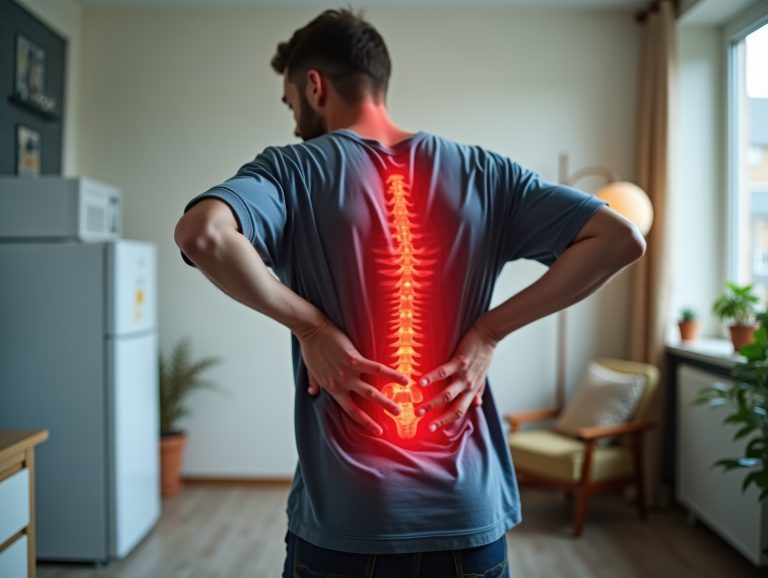

Multiple sclerosis is an immune-mediated neurological condition affecting the brain and spinal cord; because damage can occur in different parts of the central nervous system, two people with the same diagnosis can present with clinically unrelated symptoms. One may be working full-time with intermittent visual disturbance. Another may have severe fatigue, bladder dysfunction, spasticity and difficulty walking across a room. Symptoms may relapse and settle, accumulate gradually, or follow a mixed pattern.
That variability matters before anyone uses the word “best”.
There is no Ayurvedic procedure, herbal combination or residential package that can be called universally best for MS. There is also no credible basis for promising permanent reversal of demyelination. MS currently has no cure, although disease-modifying therapies can reduce relapses and slow worsening in appropriate patients. Stopping such treatment because an Ayurvedic practitioner has promised a cure is not an integrative decision. It is an avoidable clinical risk.
The sensible place for Ayurveda is alongside neurological care, not in competition with it.
Ayurvedic physicians do not find a perfect classical equivalent of MS in the old texts. The presentation is commonly interpreted through patterns such as Vata Vyadhi, Avarana—obstruction of normal functional movement—and Dhatu Kshaya, or depletion of supporting tissues. These are working clinical frameworks, not translations of MRI lesions into Sanskrit terminology.
That distinction is often blurred in promotional material.
A patient with recent optic neuritis, active enhancing lesions, and repeated relapses needs neurologist-led assessment. A person with established progressive disability, poor sleep, constipation, muscular stiffness and low appetite presents a different Ayurvedic problem. Treating both with the same oils, the same decoctions and the same seven-day cleansing programme is not individualisation. It is package medicine.
What Ayurveda is actually trying to change
A credible Ayurveda Treatment for Multiple Sclerosis is usually trying to improve the person’s functional reserve rather than claiming to remove the disease. The practical targets are less dramatic: better sleep, more predictable bowel function, reduced pain, manageable stiffness, steadier energy, improved appetite, calmer anxiety and greater tolerance for rehabilitation.
These gains can matter. A patient who sleeps for six uninterrupted hours may participate more effectively in physiotherapy the next morning. Someone whose constipation is controlled may experience less abdominal discomfort and fewer bladder difficulties. A reduction in muscular pain can make standing practice possible. None of this proves that the underlying MS has stopped progressing. It may still produce a worthwhile improvement in daily life.
The first assessment should be slow. Not merely pulse examination followed by a prescription. The physician needs to know the MS subtype, relapse history, MRI findings, present disability, bladder symptoms, swallowing safety, falls, heat sensitivity, skin integrity and current medicines. Disease-modifying drugs, steroids, antispasticity medication, antidepressants, anticoagulants and drugs for bladder control all affect what can safely be prescribed.
Fatigue deserves particular suspicion. It is easy to attribute every exhausted afternoon to aggravated Vata. That misses anaemia, thyroid dysfunction, urinary infection, depression, sleep apnoea, sedating medication, poor hydration and nocturnal bladder disturbance. The fatigue of MS is real, but not every episode of tiredness is caused by MS.
The dietary prescription also needs more restraint than is usually shown online. Removing cold food, fermented food, wheat, dairy, pulses, nightshades, fruit and nearly every familiar meal may leave a disabled patient underfed and miserable. Food should be digestible, nutritionally adequate and realistically available after discharge. A complicated “healing diet” that cannot be maintained outside the treatment centre has limited value.
Regular meals, sufficient protein, appropriate fibre, adequate fluids and correction of genuine deficiencies are less glamorous. They are generally more useful.
Oil therapies, controlled warmth and active rehabilitation
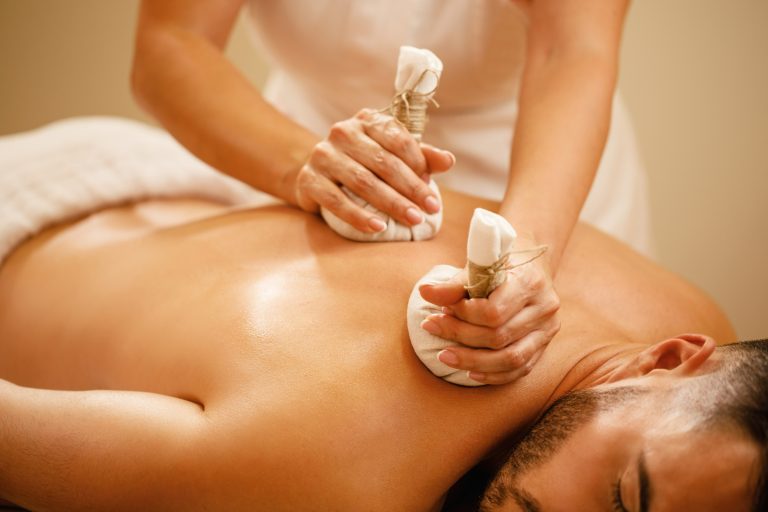
External oil treatment is frequently used for pain, stiffness, poor sleep and a feeling of bodily dryness or exhaustion. Abhyanga may be performed as gentle full-body massage or as a more localised treatment. Pizhichil combines streamed warm oil with massage. Shashtika Shali Pinda Sweda uses warm rice boluses, often where nourishment and muscular conditioning are emphasised. Local oil pooling, mild fomentation and carefully selected herbal poultices may also be considered.
The technical name matters less than the response.
Forceful massage is a mistake in a person with marked spasticity, neuropathic pain, fragile skin, osteoporosis or poor sensation. Deep pressure over an area the patient cannot properly feel may cause injury without immediate warning. A therapist must know whether the patient is taking anticoagulants and whether there are pressure sores, oedema, recent fractures or painful joints.
Heat requires even greater care. A substantial proportion of people with MS experience temporary worsening of fatigue, weakness, vision or coordination when body temperature rises. This is commonly described as heat sensitivity or Uhthoff’s phenomenon. Hot steam chambers and prolonged high-temperature treatments may look impressive but can leave such a patient unable to walk safely afterwards.
Warm is not the same as hot. Treatment temperature should be adjusted to the individual, sessions shortened when necessary, hydration maintained, and recovery observed before the patient stands. Sudden dizziness after an oil treatment is not “toxins leaving the body”. Check blood pressure. Check blood sugar when relevant. Consider dehydration and medication effects.
Massage-based interventions have shown possible benefits for fatigue, pain and spasticity in MS, although the studies are not strong enough to establish massage as a disease-modifying treatment. The reasonable interpretation is symptomatic support, not neurological repair.
Passive treatment has limits. No amount of oil pouring will rebuild leg strength if the patient spends the remainder of the day in bed. Mobility work needs active rehabilitation: assisted range-of-motion exercises, balance training, sit-to-stand practice, gait work, breathing exercises and task-specific strengthening. Physiotherapy is a recognised part of MS management, and exercise can improve balance, walking capacity, fatigue and quality of life when properly prescribed.
During Ayurveda Treatment for Multiple Sclerosis, yoga should be adapted rather than performed as a standard class. Floor transfers may be unsafe. Long holds can aggravate fatigue. Rapid breathing practices may provoke dizziness. Chair-supported postures, short sessions and generous rest periods are often more appropriate. Research suggests yoga may provide short-term help with fatigue and quality of life, but the evidence remains limited and uneven.
Panchakarma requires restraint, not theatre
Panchakarma is too often sold as compulsory purification. It is not automatically suitable merely because MS is chronic.
Classical planning considers strength, digestion, age, season, disease activity and the patient’s ability to tolerate preparation and recovery. A person who is underweight, recently treated with high-dose steroids, actively infected, severely fatigued or unable to transfer independently may be harmed by an aggressive programme.
Basti, the therapeutic administration of medicated preparations through the rectal route, is frequently selected in Ayurvedic management of neurological and Vata-dominant disorders. It may be considered where constipation, stiffness, pain and lower-body dysfunction are prominent. Calling it the best Panchakarma procedure for every MS patient would still be inaccurate. Bowel disease, active diarrhea, rectal bleeding, severe weakness, poor infection control and inability to retain the preparation can make it unsuitable.
Virechana, or therapeutic purgation, is sometimes chosen where the clinical picture suggests an inflammatory or Pitta-associated component. It should not be treated as routine detoxification. Repeated loose stools in a person with mobility problems can create exhaustion, falls, skin irritation and difficult journeys to the toilet. The practical consequences are often ignored during package planning.
Nasya may be used selectively for head, neck or sensory complaints, yet it is not a treatment for brain lesions. Shirodhara can be calming and may support sleep or relaxation. It does not remyelinate nerves. Vamana, therapeutic emesis, would be a highly selective decision and is rarely defensible in a weak neurological patient simply because a package includes all five procedures.
More treatment is not necessarily better treatment. Herbal prescribing carries the same need for discrimination. Ashwagandha, Brahmi, Guduchi, Bala, Shankhapushpi, Amalaki and turmeric-based formulations may appear in neurological or restorative prescriptions. Their selection traditionally depends on the person’s digestion, strength, sleep, bowel pattern, mental state and associated illness. Evidence that these herbs alter the course of human MS is insufficient. Laboratory mechanisms and traditional indications are not substitutes for properly controlled clinical trials.
Immune-modulating claims should make the physician more cautious, not more enthusiastic, when a patient is already taking immune-directed medicine.
Product quality cannot be assumed. Some Ayurvedic preparations have been found to contain harmful levels of lead, mercury or other metals, and regulators have issued warnings regarding unapproved products associated with heavy-metal poisoning.
Every medicine should have a clear ingredient list, manufacturer, batch number and quality documentation. Mineral and metallic preparations require particularly strict scrutiny. “Prepared traditionally” is not a laboratory report.
Choosing a centre and measuring worthwhile change
Kerala has a strong culture of residential Ayurvedic care, experienced therapists and treatment schedules that are difficult to reproduce in an outpatient clinic. It also has centres selling certainty where certainty does not exist.
A person searching for Multiple Sclerosis Treatment in Kerala should look beyond resort photographs and testimonials. Ask whether the centre obtains neurology records, reviews conventional medicines, documents baseline disability, offers physiotherapy, manages wheelchair users safely and has a plan for acute deterioration.
Search phrases such as Best Ayurveda Treatments in Kerala tend to produce long menus of therapies. Menus are not treatment plans. The Best Ayurvedic Centre in Kerala for a person with MS would be the centre prepared to decline unsuitable Panchakarma, modify heat, communicate with the neurologist and admit when an outcome is uncertain.
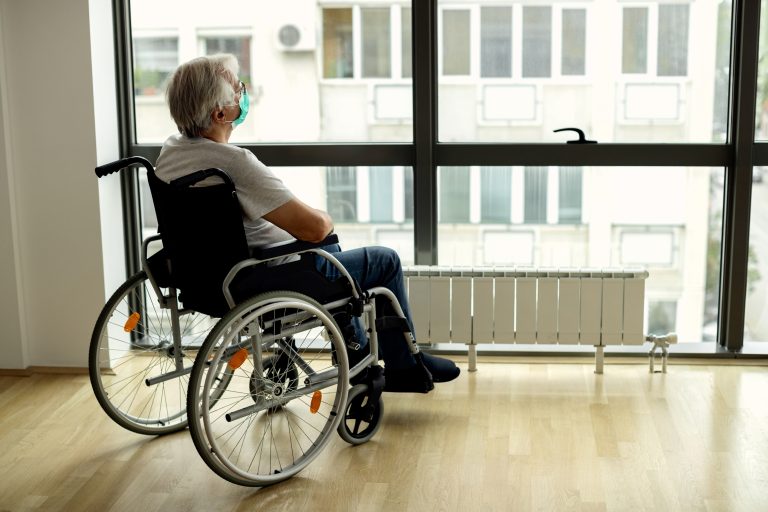
The same caution applies when arranging Panchakarma treatment in Kerala. Check bathroom access, grab rails, room-to-treatment distance, emergency transport, nursing availability and whether carers can stay. A beautiful property with stairs and slippery oil-coated floors is a poor neurological facility.
The phrase Ayurveda Treatment for Multiple Sclerosis should never be used as shorthand for stopping prescribed medicines. A responsible centre records every drug, supplement and herbal formulation. It also knows when treatment should pause: fever, suspected urinary infection, sudden visual loss, new weakness, altered consciousness, severe vomiting, swallowing difficulty or a rapid change in bladder control.
Those are not “healing reactions”. Results need to be recorded in practical terms. How far can the patient walk before resting? How many times can they rise from a chair? Have falls reduced? Is sleep longer? Is bowel evacuation easier? Is pain lower at the same time of day? Has fatigue improved without reducing necessary medication? Has the patient become more independent in bathing, dressing or transfers?
MRI change, relapse frequency and disability progression remain neurological outcomes. An Ayurvedic centre should not claim success because the patient felt lighter after oil treatment while ignoring a new relapse three weeks later.
Sometimes the most honest outcome is comfort. In advanced progressive disease, treatment may help stiffness, sleep, bowel care, skin comfort and emotional distress without restoring lost walking ability. That is not failure. Pretending otherwise is.
FAQs
How does Ayurveda help manage multiple sclerosis naturally?
It may support symptom management through individualised routines, massage, carefully controlled warmth, bowel regulation, sleep support, adapted movement and selected medicines. The realistic aim is better function or comfort. It should not be presented as a natural replacement for disease-modifying therapy.
What is the best Ayurvedic treatment for multiple sclerosis?
There is no single best procedure. A well-run Ayurveda Treatment for Multiple Sclerosis is built after reviewing disease activity, disability, digestion, strength, medication, heat tolerance and rehabilitation needs. Gentle oil treatment and adapted exercise may suit one person; another may require only dietary, sleep and bowel support.
What are the benefits of Ayurvedic treatment for multiple sclerosis?
Possible benefits include reduced muscular discomfort, improved sleep, easier bowel movements, lower perceived fatigue, greater relaxation and better participation in rehabilitation. These are supportive outcomes. Evidence that Ayurveda prevents relapses or reverses established neurological damage is not adequate.
Can Ayurvedic therapies improve mobility in multiple sclerosis?
They may reduce pain or stiffness enough to make movement easier. Durable mobility improvement usually requires active physiotherapy and repeated task practice. Passive therapies alone do not restore balance, endurance or muscle strength.
What makes Ayurveda different for multiple sclerosis care?
Ayurveda builds treatment around the patient’s whole pattern rather than prescribing from the diagnosis alone. That can be useful when handled thoughtfully. It becomes a weakness when traditional classifications are used to ignore MRI findings, infections, medication risks or measurable neurological decline.
Can Ayurveda help reduce fatigue in multiple sclerosis?
Possibly, particularly when poor sleep, pain, constipation, anxiety, inactivity or irregular meals are contributing. Severe or newly worsening fatigue requires medical assessment. Infection, anaemia, thyroid disease and medication effects should not be missed.
Which Panchakarma therapy is best for multiple sclerosis?
Basti is often considered in Vata-dominant neurological presentations, but it is not automatically appropriate. The decision depends on strength, bowel health, disease stability and the person’s ability to tolerate the procedure. Aggressive cleansing during a relapse or acute illness is poor practice.
According to Ayurveda, what are the common symptoms of multiple sclerosis?
Ayurvedic assessment may describe weakness, stiffness, tremor, altered sensation, poor coordination, pain, constipation, disturbed sleep and fatigue through patterns involving aggravated Vata, obstruction and tissue depletion. These concepts do not replace neurological diagnosis.
Which Ayurvedic herbs are used for multiple sclerosis?
Ashwagandha, Brahmi, Guduchi, Bala, Shankhapushpi and Amalaki may be considered in selected prescriptions. None should be self-prescribed on the assumption that it is harmless. Product quality, liver and kidney health, pregnancy, allergies and interactions with conventional medicines must be reviewed.
Is Ayurvedic treatment suitable for every stage of multiple sclerosis?
No. Treatment may be adapted for stable relapsing-remitting disease, progressive MS or advanced disability, but the goals will differ. Acute relapses, active infection, severe swallowing problems, marked weakness, pregnancy and serious liver, kidney or cardiac disease require additional caution. Some procedures may need to be postponed or avoided completely.